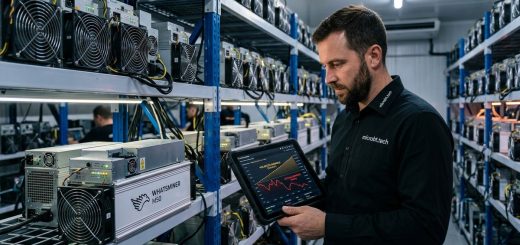
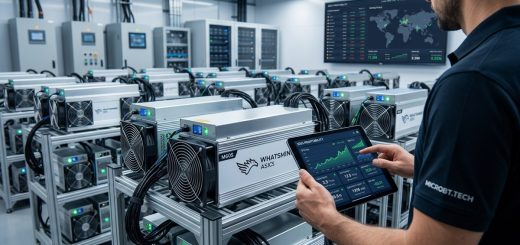
Optimizing Your Mining Setup for Peak Profitability in 2026
Getting your mining operation running at peak efficiency in 2026 requires more than just buying the latest hardware. As the landscape shifts with new ASIC models, fluctuating electricity prices, and evolving software, miners need a strategic approach to optimize their setups. This guide provides practical steps to fine-tune your mining environment, maximize returns, and stay ahead in the competitive mining scene.
Optimizing your mining setup in 2026 involves selecting efficient hardware, fine-tuning firmware, managing thermal performance, controlling power costs, and avoiding common pitfalls. Implementing these strategies can significantly boost profitability and extend equipment lifespan.
Understanding Hardware Specifications and Performance in 2026
The foundation of a profitable mining setup starts with hardware. ASIC miners remain the backbone for most large-scale operations, with models like the https://microbt.tech/which-whatsminer-model-delivers-the-best-hashrate-per-watt-in-2026/ delivering exceptional efficiency. When choosing hardware, focus on:
- Hashrate versus power consumption (J/TH)
- Reliability and build quality
- Firmware compatibility and upgrade options
- Availability of spare parts and support
In 2026, the top-performing miners typically feature efficiency ratings of 15 to 20 J/TH. For example, the offers a good balance between power use and hashrate. Matching the hardware to your power infrastructure and budget ensures optimal profitability.
Strategies for Hardware Optimization and Firmware Tuning
Once your hardware is in place, firmware tuning becomes a critical step. Proper firmware settings can improve hash rate, reduce energy waste, and prolong device lifespan.
Practical Process for Firmware Optimization
- Assess your current firmware version and compatibility. Check for updates from the manufacturer or trusted community sources.
- Adjust frequency settings to find the sweet spot where performance peaks without overheating or causing instability. Overclocking can boost hashrate but may increase power draw.
- Underclock if you face thermal or power constraints, as this can improve efficiency and prevent hardware degradation.
- Implement custom firmware when available, which often unlock advanced features like auto-tuning and better thermal management.
- Monitor performance metrics regularly, adjusting settings as electricity prices or ambient conditions change.
Expert advice: “Firmware tuning is not a one-time task. Regular adjustments based on temperature, power costs, and hardware health maximize profitability.”
Common pitfalls to avoid
| Techniques | Mistakes to Avoid |
|---|---|
| Overclocking beyond limits | Causing hardware failures or reducing lifespan |
| Ignoring thermal management | Overheating reduces efficiency and damages components |
| Skipping firmware updates | Missing out on performance improvements and security patches |
| Neglecting power supply quality | Power failures harm hardware and lower efficiency |
Thermal Management and Cooling Solutions
Thermal performance plays a significant role in mining profitability. Excess heat not only wastes energy but also shortens hardware lifespan.
Effective Cooling Techniques
- Air cooling: Use high-quality fans with proper airflow to maintain consistent temperatures.
- Immersion cooling: Submerging miners in dielectric liquids can reduce operating temperatures by over 15 degrees, increasing performance and durability.
- Heat recovery: Capturing heat for other uses, like space heating, lowers energy costs and enhances sustainability.
Practical tips
- Regularly clean dust filters to maintain airflow.
- Use temperature sensors to trigger auto-firmware adjustments or fan speeds.
- Consider immersion cooling if your setup involves multiple units, as it offers better thermal stability and longer hardware lifespan.
“Investing in effective thermal management can double your ASIC miner lifespan and improve overall efficiency.”
Power Infrastructure Optimization
Electricity costs can make or break mining profitability. Proper power management ensures minimal waste and maximum uptime.
Power Management Strategies
- Use high-efficiency power supplies rated above 93 percent to reduce waste.
- Implement uninterruptible power supplies (UPS) for critical hardware.
- Analyze your electrical infrastructure for bottlenecks or unstable connections.
- Negotiate with energy providers for lower rates or consider renewable sources where feasible.
Practical Process
- Map your power requirements for each miner and ensure your electrical system can handle the load.
- Use power measurement tools to track real-time consumption.
- Optimize power usage by adjusting firmware settings and undervolting where possible.
- Consider location-based advantages like proximity to renewable energy farms or regions with lower electricity rates.
| Techniques | Mistakes to Avoid |
|---|---|
| Underpowered electrical setup | Causes shutdowns and hardware stress |
| Overloading circuits | Risks outages and equipment damage |
| Ignoring power quality issues | Leads to hardware failures and inconsistent performance |
| Not monitoring real-time consumption | Missed opportunities to reduce costs |
Pool and Network Configuration
A reliable network connection and strategic pool choices are vital for consistent mining rewards.
- Select pools with low fees and high uptime.
- Enable failover settings to switch pools automatically if one goes offline.
- Use static IP addresses and DHCP reservations for network stability.
- Regularly update your network firmware to prevent disconnections.
Avoiding Costly Mistakes in 2026
Mining setup optimization for profitability involves awareness of common errors that can erode margins.
- Neglecting electricity costs: Always compare regional rates and optimize hardware accordingly.
- Ignoring hardware maintenance: Regular cleaning and firmware updates prevent unexpected failures.
- Overlooking thermal management: Proper cooling reduces downtime and extends hardware life.
- Using outdated firmware: Updates often include critical performance and security enhancements.
- Poor network setup: Unstable connections cause missed rewards and increased downtime.
Expert Insight
“The secret to sustained profitability is controlling your costs and maintaining equipment health. Small improvements in thermal and power efficiency add up over time.”
Continual Monitoring and Adjustment
Mining profitability is dynamic. Price fluctuations, hardware advancements, and energy costs require ongoing attention.
- Use mining profitability calculators to reassess your setup regularly.
- Track temperature, power consumption, and hashrate daily.
- Adjust firmware and hardware settings based on real-time data.
- Stay informed about new ASIC releases and firmware updates.
Enhancing Longevity and Performance
Proactive maintenance and smart upgrades help ensure your investment continues to pay off.
- Schedule regular hardware inspections.
- Replace worn components like fans and power supplies before failure.
- Test new firmware versions in a controlled environment before deploying farm-wide.
- Keep spare parts on hand to reduce downtime.
Final Thoughts on Mining Setup Success in 2026
Optimizing your mining setup for profitability in 2026 involves a balanced approach. Hardware selection, firmware tuning, thermal management, and power efficiency all contribute to your bottom line. Remember that ongoing monitoring is key. Small adjustments based on data and conditions can lead to significant gains over time. By staying proactive and avoiding common mistakes, you can maximize your mining returns and extend your equipment’s lifespan. Keep learning, experimenting, and refining your setup—your efforts will pay off in a thriving, profitable mining operation.