The Complete Guide to Scaling Your Mining Farm from 100 to 1,000 ASICs
Scaling your mining operation from 100 to 1,000 ASIC units marks a significant step in increasing your crypto mining capacity. It’s an exciting journey that requires careful planning, strategic decision-making, and efficient management. Whether you are a dedicated enthusiast or small-scale operator ready to expand, understanding how to grow smoothly can make all the difference in your profitability and operational stability. This guide walks you through proven methods to scale your ASIC mining farm effectively and sustainably.
Scaling an ASIC mining farm from 100 to 1,000 units involves thorough planning, selecting the right hardware, optimizing infrastructure, and managing operational challenges. A systematic approach ensures growth is profitable and manageable, paving the way for increased hash rates and better returns on investment.
Understanding the Foundations of Large-Scale Mining
Before jumping into the steps, it’s vital to grasp what scaling entails. Moving from 100 to 1,000 units is not just a matter of buying more hardware. It involves expanding your physical space, upgrading your power and cooling systems, and implementing robust management tools. The goal is to maintain efficiency and minimize downtime as your operation grows.
Key Components to Consider When Scaling
Hardware Selection
Choosing the right ASIC miners is crucial. Opt for models that deliver high hash rates with good energy efficiency. Popular choices like the Whatsminer M50 series or Antminer S19 XP are favored for their performance and reliability. Consider models with proven longevity and support, as larger farms demand hardware that can operate continuously.
Infrastructure Upgrades
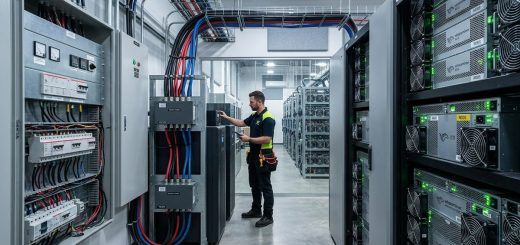
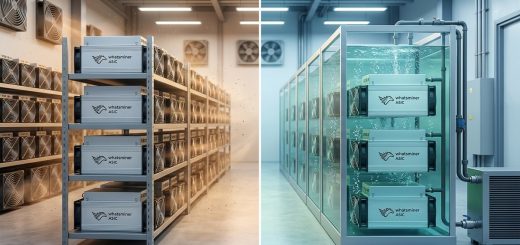
As your farm expands, your power supply and cooling systems must scale accordingly. Investing in industrial-grade power distribution and cooling solutions like immersion cooling or high-capacity HVAC systems prevents overheating and reduces downtime. Proper wiring, surge protection, and backup power systems are essential to ensure smooth operations.
Network and Management Tools
Implement advanced monitoring software to track hardware performance, temperature, and energy consumption. Automating alerts for potential issues helps prevent costly failures. Connecting your units through static IPs and secure network configurations ensures stability and easy remote management.
Practical Steps to Grow from 100 to 1,000 ASIC Units
- Assess Your Current Capacity and Identify Expansion Goals
Start by analyzing your existing setup. Determine how much additional space, power, and cooling you need. Make a detailed plan that maps out the physical and electrical infrastructure upgrades required. Setting clear milestones helps keep your project organized.
- Choose and Purchase Hardware in Batches
Buying in bulk often reduces costs and simplifies logistics. Evaluate hardware models based on hash rate, efficiency, and vendor support. Use tools like the Whatsminer Profitability Calculator to estimate returns and ensure your hardware choices align with your profitability targets.
- Upgrade Infrastructure and Implement Redundancy
Scale your electrical system by installing dedicated circuits for your farm. Enhance cooling capacity through immersion systems or additional ventilation. Ensure your network is robust, with backup internet connections and failover strategies. Proper wiring and surge protection prevent hardware damage.
Critical Techniques for Smooth Scaling
| Technique | Mistakes to Avoid |
|---|---|
| Phased hardware deployment | Overloading power circuits or cooling systems too quickly |
| Bulk hardware procurement | Purchasing outdated or unsupported models |
| Infrastructure expansion planning | Underestimating power and cooling needs |
| Regular maintenance and monitoring | Ignoring early signs of hardware or system failure |
Expert Tip
“Scaling efficiently means maintaining control over each step. Don’t rush hardware purchases or infrastructure upgrades. Test new units in small batches before full deployment to identify potential issues early.”
Managing Operational Challenges During Expansion
Growing your farm introduces new challenges. Power management becomes more complex with increased units. Cooling systems must handle higher heat loads. Network security and monitoring need to scale with your infrastructure. Addressing these proactively can save time and money.
Common Challenges and How to Overcome Them
- Power Overload Risks: Use dedicated circuits and high-capacity transformers. Consider consulting with electrical engineers to ensure your setup can handle the load.
- Cooling Inefficiencies: Evaluate immersion cooling for large farms, as it offers better heat dissipation and lower noise levels.
- Hardware Failures: Keep spare parts on hand. Regularly schedule maintenance to identify issues before failures occur.
- Network Congestion: Segment your network with VLANs and secure access points. Use managed switches for better control.
Mistakes That Can Hurt Your Growth
| Mistake | Consequence |
|---|---|
| Underestimating power requirements | Outages or hardware shutdowns |
| Poor ventilation planning | Overheating, reduced hardware lifespan |
| Ignoring hardware warranties | Increased costs from repairs or replacements |
| Not automating monitoring | Missed early signs of failure leading to downtime |
Building a Scalable Management System
As your farm grows, manual oversight becomes impractical. Implement remote management tools that allow you to monitor multiple units from anywhere. Use dashboards that display real-time data on hash rates, temperatures, and energy consumption. Automate notifications for abnormal conditions.
Recommended Management Practices
- Set thresholds for temperature, hash rate, and power draw.
- Schedule regular hardware inspections.
- Maintain detailed logs for troubleshooting.
- Establish a routine for firmware updates and security patches.
Final Touches for a Sustainable Expansion
Achieving a seamless transition from 100 to 1,000 units demands patience and precision. It’s wise to phase your expansion, testing each batch of new hardware and infrastructure upgrades thoroughly. Keep an eye on operational costs, and optimize your setup periodically to maximize profitability.
“Remember that efficient scaling isn’t just about adding more units. It’s about creating a balanced system where hardware, power, cooling, and management work together. This balance ensures your operation remains profitable and reliable over the long term.”
Growing with Confidence in Your Mining Farm
Scaling a mining farm doesn’t happen overnight. It requires a clear strategy, careful infrastructure planning, and disciplined management. Focus on incremental growth, learn from each phase, and continuously optimize your setup. With the right approach, your farm can deliver impressive hash rates and robust returns.
Take the time to evaluate your current infrastructure, select high-quality hardware, and implement scalable management systems. By doing so, you’ll lay a strong foundation for sustainable growth. Keep learning, stay adaptable, and your mining operation will thrive well into the future.