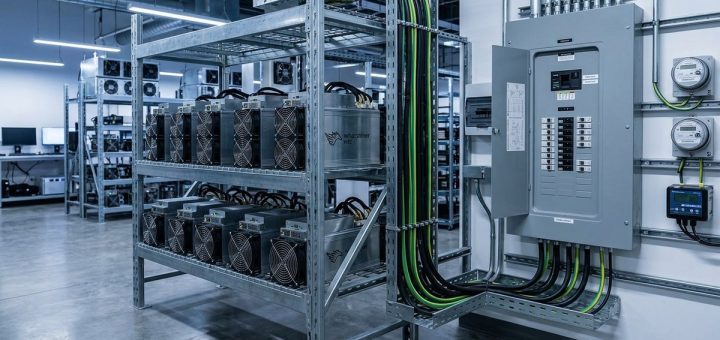
Starting a multi-unit crypto mining operation can be exciting, but it also demands careful planning—especially when it comes to electrical infrastructure. Running ten mining units requires a solid ele…
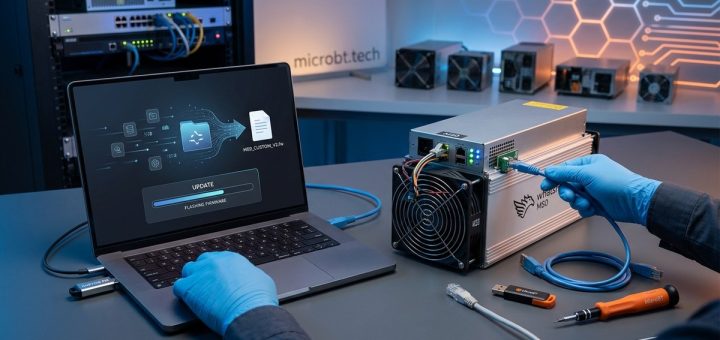
Flashing custom firmware on your Whatsminer M50 Series might seem intimidating at first. But with the right steps, you can upgrade your miner’s capabilities, fix bugs, and add new features. Whether yo…
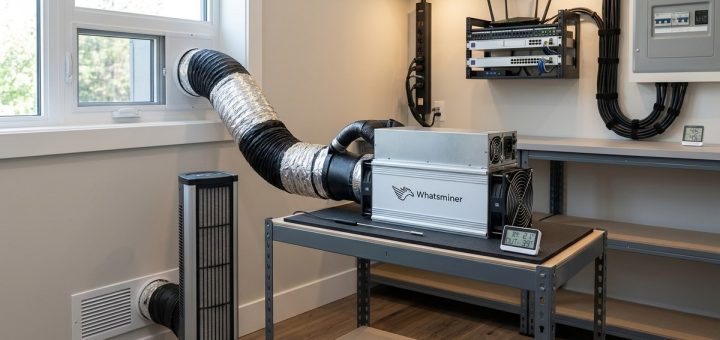
Mining cryptocurrency at home can be rewarding but also challenging. Managing heat and noise from Whatsminer units is critical to keep your setup running smoothly and efficiently. Proper thermal manag…
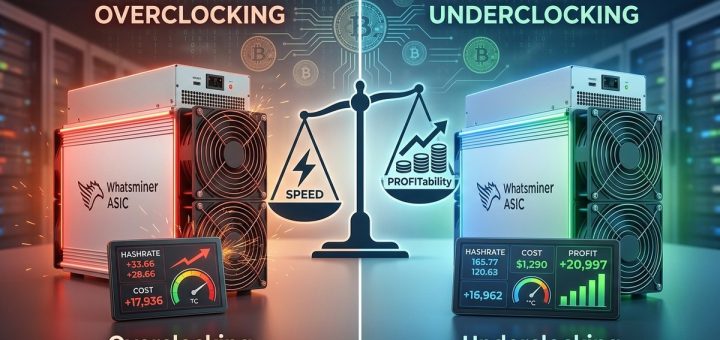
Miners constantly seek ways to boost profits while maintaining hardware health. Two common strategies are overclocking and underclocking. Each method tweaks your ASIC’s performance, but they do so wit…
Maximizing the value of crypto mining hardware when upgrading is more than just swapping out old gear for new. It requires a strategic approach that considers timing, hardware specifications, market c…
Mining bitcoin successfully requires more than just good hardware—location plays a pivotal role in profitability. A geographic profitability map for bitcoin mining reveals where your mining operation …
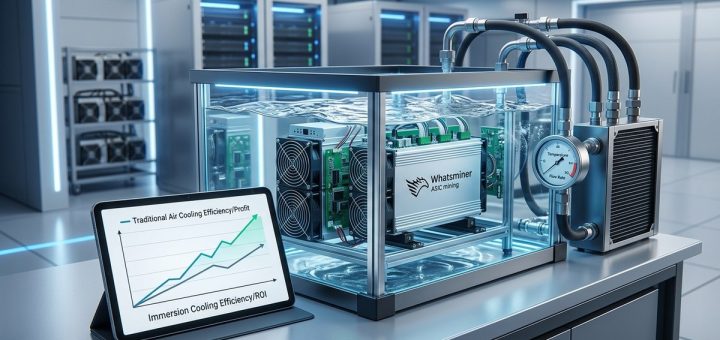
Getting the most out of your high-performance hardware involves more than just selecting the right ASICs or GPUs. Cooling solutions, especially immersion cooling, have become game-changers for many da…
Mining Bitcoin can be a lucrative pursuit, but timing your activity around halving events is essential. Each halving reduces the block reward miners receive by half, directly influencing the overall p…
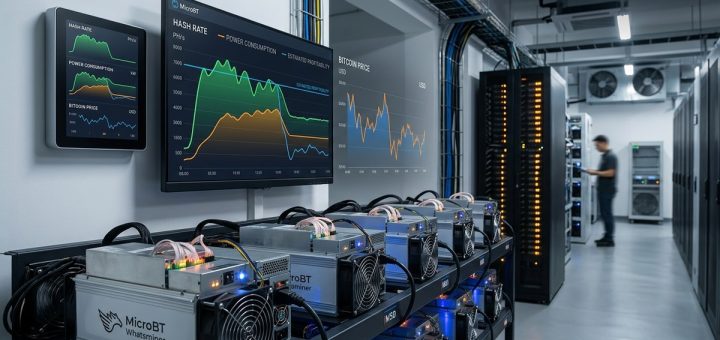
Mining Bitcoin in today’s volatile market requires more than just powerful hardware. With fluctuations in cryptocurrency prices, miners need adaptive strategies to stay profitable. Dynamic Power Manag…
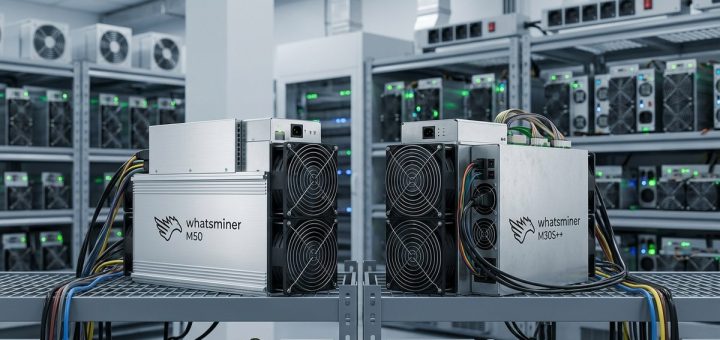
Mining hardware choices can make or break your profits in 2026. With new models like the Whatsminer M50 arriving on the scene, investors are eager to understand how it stacks up against the proven M30…