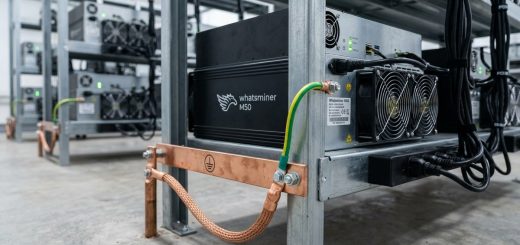
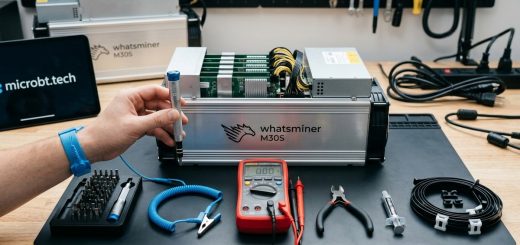
Thermal Management Solutions for Whatsminer Deployments in Residential Spaces
Mining cryptocurrency at home can be rewarding but also challenging. Managing heat and noise from Whatsminer units is critical to keep your setup running smoothly and efficiently. Proper thermal management not only improves hardware performance but also ensures a quieter, safer environment. Whether you are just starting or upgrading an existing rig, understanding the right cooling methods makes all the difference. This guide walks you through effective Whatsminer thermal management solutions for residential settings, giving you practical steps and expert insights to optimize your mining space.
Optimizing Whatsminer thermal management for home use involves choosing the right cooling methods, controlling noise, and maintaining hardware health. Proper planning and execution can reduce heat, lower noise levels, and extend your miners’ lifespan, making your home mining setup more sustainable and profitable.
Understanding the Importance of Thermal Management in Residential Mining
Effective thermal management is essential for maintaining optimal mining hardware performance. Whatsminers generate significant heat during operation, which if not properly managed, can lead to overheating, reduced efficiency, and hardware failure. In a residential environment, noise pollution is also a concern. Loud miners can disturb your household or neighbors. Therefore, balancing cooling efficiency and noise reduction is vital.
Proper cooling methods help keep the chips at safe operating temperatures, ensuring consistent performance and longevity. Simultaneously, reducing noise through soundproofing or choosing quieter cooling solutions makes your mining setup more neighbor-friendly and comfortable to live near.
Practical Whatsminer Thermal Management Solutions for Residential
Implementing the right thermal management setup requires understanding available cooling options and how to adapt them to your space. Here are some of the most effective solutions:
1. Improving Air Cooling with Strategic Placement
Air cooling remains the most straightforward method. To maximize its effectiveness:
- Place miners in well-ventilated areas with good airflow.
- Use high-quality fans to increase air exchange.
- Keep miners away from walls or other objects that block airflow.
- Regularly clean filters and fans to prevent dust buildup.
2. Upgrading to Enclosed or Soundproofed Cabinets
Enclosing miners in custom cabinets can significantly reduce noise levels. Look for cabinets with:
- Adequate ventilation to prevent heat buildup.
- Soundproofing materials like acoustic foam.
- Easy access for maintenance.
Some hobbyists retrofit server cabinets or build DIY enclosures using wood or metal lined with soundproofing mats. This approach controls both noise and heat escape, making it suitable for home environments.
3. Using Water or Liquid Cooling Systems
For higher efficiency and quieter operation, liquid cooling offers notable advantages:
- Water cooling systems use radiators, pumps, and heat exchangers to transfer heat away from miners.
- They operate more quietly than fans and can maintain lower chip temperatures.
- Ideal for setups where space is tight or noise is a concern.
Installing a water cooling loop involves connecting radiators to your Whatsminer units, usually via flexible tubing. It requires some technical know-how but pays off with reduced heat and noise.
4. Implementing Immersion Cooling Technologies
Immersion cooling submerges miners in a specialized dielectric fluid that absorbs heat directly from the hardware:
- Provides the highest cooling efficiency.
- Nearly silent operation, as fans are unnecessary.
- Extends hardware lifespan by maintaining stable temperatures.
This method suits dedicated mining rooms or basements. It involves more upfront investment but can dramatically decrease noise and heat issues.
5. Combining Solutions for Optimal Results
Mixing methods can yield the best outcomes. For example, using a soundproof enclosure combined with water cooling or immersion can keep your home quiet while effectively managing heat.
Step-by-Step Process to Optimize Your Whatsminer Setup
To set up an efficient thermal management system in your home, follow these practical steps:
-
Assess Your Space and Miners
-
Measure available space, ventilation options, and noise tolerance.
-
Identify which Whatsminer models you operate and their heat output.
-
Choose the Appropriate Cooling Method
-
For small setups, improved air cooling with a quiet fan and enclosure may suffice.
-
For larger or noisier rigs, consider water cooling or immersion systems.
-
Plan and Implement Cooling Infrastructure
-
Install fans or enclosures for air cooling.
- Set up water cooling loops or immersion tanks if needed.
-
Ensure proper placement to maximize airflow and heat dissipation.
-
Monitor Temperature and Noise Levels
-
Use temperature sensors to track chip and ambient temperatures.
- Adjust fan speeds or cooling flow rates accordingly.
-
Use sound meters or simply listen to ensure noise remains manageable.
-
Maintain Your System Regularly
-
Clean filters, fans, and radiators to prevent dust accumulation.
- Check fluid levels in water cooling setups.
- Replace worn parts before failures occur.
Techniques and Common Mistakes in Residential Thermal Management
| Technique | Mistake | Explanation |
|---|---|---|
| Proper ventilation | Blocking airflow | Minimize obstructions and ensure fresh air intake. |
| Use of soundproof enclosures | Sealing airflow vents | Enclosures should allow heat escape while dampening noise. |
| Liquid cooling | Neglecting leak prevention | Regularly inspect hoses and fittings for leaks. |
| Immersion cooling | Overlooking safety measures | Handle dielectric fluids carefully and ensure proper insulation. |
| Monitoring temperatures | Ignoring sensor readings | Continuous monitoring prevents overheating and hardware damage. |
Expert tip: “Investing in quality cooling equipment and regular maintenance can save you money and hassle over time. Do not underestimate the importance of airflow and noise control in a household setting.”
Mistakes to Avoid When Managing Whatsminer Heat in Your Home
- Using inadequate fans or cooling systems that cannot handle your miners’ heat output.
- Over-tightening hoses or fittings in water cooling setups, risking leaks.
- Enclosing miners without proper ventilation, leading to heat buildup.
- Ignoring signs of overheating or high noise levels.
- Skipping routine maintenance, which can cause dust accumulation and system failure.
Final Tips for a Smarter Mining Environment
- Remember that cooling is an ongoing process. Regular checks and adjustments improve longevity.
- Consider using energy-efficient fans and pumps to lower power consumption.
- Keep your miners in a dedicated room or corner away from living spaces.
- Use temperature and noise sensors to automate alerts and adjustments.
- Research and select hardware that offers better efficiency and lower heat generation, such as newer Whatsminer models with improved thermal design.
Your Home Mining Comfort Zone
Creating an effective thermal management system for your Whatsminer units ensures you can enjoy mining without excessive noise or heat. By selecting the right cooling method, maintaining regular upkeep, and paying attention to your environment, you make your setup more reliable and sustainable. Small investments in proper cooling can extend hardware life, reduce energy costs, and make mining at home a more enjoyable hobby. Start with a plan, implement gradually, and adjust as needed. Your quiet, cool, and efficient mining space awaits.