Sound Mitigation Strategies That Keep Your Mining Farm Compliant and Neighbor-Friendly
Bitcoin mining farms can generate a lot of noise, sometimes causing friction with neighbors and risking regulatory issues. Managing noise pollution is essential for maintaining good community relations and ensuring your operation stays compliant. Fortunately, there are effective strategies to reduce sound emissions from your mining hardware while keeping your farm running smoothly. Implementing the right noise mitigation techniques can turn a noisy operation into a neighbor-friendly one.
Mitigating bitcoin mining noise involves a mix of hardware choices, soundproofing, strategic placement, and environmental controls. Combining these strategies ensures your farm remains compliant, minimizes neighbor disturbance, and maintains operational efficiency.
Understanding the Noise Challenge in Bitcoin Mining
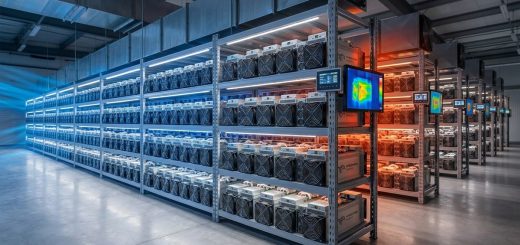
Mining hardware, especially ASICs, can be quite loud due to fans and internal vibrations. The noise levels can reach 75 to 85 decibels or higher, comparable to a lawnmower or loud traffic. This noise is not just an annoyance but can violate local regulations and cause community complaints.
To effectively address this, you need to understand the sources of noise and the best ways to control them. Noise stems mainly from fans, power supplies, and vibrations transmitted through the floor or structure. A successful mitigation plan targets these areas with practical solutions.
Practical Steps to Reduce Mining Farm Noise
Here are the most effective bitcoin mining noise mitigation strategies. These steps can be combined for best results:
1. Choose Hardware with Lower Noise Profiles
Start by selecting mining hardware known for quieter operation. Some newer ASIC models are designed with built-in noise reduction features, such as optimized fan speeds and higher efficiency. For example, models like the MicroBT Whatsminer M50 series have improved fan designs that run quieter under load.
To further cut noise, consider firmware tuning. Undervolting or underclocking your miners can reduce fan speeds and noise levels without significantly impacting performance. Always check hardware specifications and reviews for noise ratings before purchasing hardware.
2. Use Soundproofing and Acoustic Enclosures
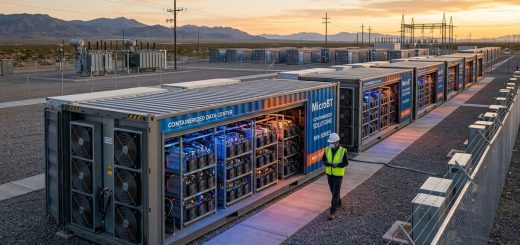
Soundproofing is one of the most direct methods for noise mitigation. You can build or buy acoustic enclosures specifically designed for mining equipment. These enclosures typically use sound-absorbing materials like mineral wool or acoustic foam, which trap sound waves before they escape.
- Soundproof rooms: Dedicate a room with insulated walls, sealed doors, and acoustic panels.
- Enclosures: Place individual miners or racks inside soundproof boxes with ventilation systems.
- Floor and wall padding: Add vibration-dampening mats underneath miners and acoustic panels on walls to absorb sound reflections.
3. Strategic Placement and Environmental Controls
Location plays a crucial role in noise management. Positioning your mining hardware away from shared walls or neighboring properties can significantly reduce perceived noise. If possible, install miners in basement or underground spaces where sound transmission is naturally muffled.
- Distance: The farther the miners are from neighbors, the less noise they perceive.
- Barriers: Erect temporary or permanent barriers like fences, sound walls, or landscape features such as thick shrubbery.
- Ventilation: Use ducting or mufflers on ventilation systems to direct airflow while dampening sound.
4. Implement Vibration and Sound Absorption Techniques
Vibrations can amplify noise and cause structural issues. Mount miners on vibration-isolating pads or decoupling mounts to reduce transmission. These pads absorb the vibrations and prevent them from spreading through the floor or walls.
Additionally, employing sound-absorbing materials such as acoustic panels, blankets, or foam around the equipment can diminish sound reflections. Combining vibration damping with sound absorption creates a more peaceful environment.
5. Use Cooling and Ventilation Innovations
Cooling systems influence fan noise significantly. Immersion cooling or liquid cooling options reduce the need for high-speed fans, thereby lowering noise levels. While immersion cooling is more complex and costly, it offers a quiet operation by eliminating fans altogether.
Alternatively, installing quieter fans or modifying firmware to optimize fan speeds can make a big difference. Proper airflow management ensures equipment stays cool without over-reliance on noisy fans.
Comparing Techniques and Common Mistakes
| Technique | Advantage | Mistake to Avoid |
|---|---|---|
| Choosing low-noise hardware | Reduces baseline noise, less need for additional soundproofing | Overlooking hardware specifications for noise |
| Soundproof enclosures | Significant noise reduction, protects equipment from dust | Sealing enclosures improperly, causing overheating |
| Strategic placement | Naturally muffles noise, reduces disturbance | Placing miners near shared walls or neighbors |
| Vibration damping | Prevents structural noise and damage | Using inappropriate or low-quality pads |
| Cooling innovations | Eliminates or reduces fan noise, improves efficiency | Relying solely on air cooling without noise considerations |
Common mistakes include neglecting proper ventilation in soundproof enclosures, which can lead to overheating, and choosing hardware based solely on performance without considering noise ratings. Always balance cooling needs with noise mitigation.
Expert Advice on Noise Management
“The key to neighbor-friendly mining is layering your mitigation strategies. Hardware selection sets the foundation, but soundproofing, placement, and environmental controls build the barrier against noise complaints.”
— Noise mitigation specialist
Additional Tips for a Quiet Mining Operation
- Regularly maintain fans and cooling systems to keep noise levels in check.
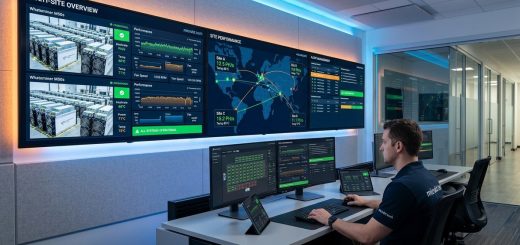
- Employ monitoring tools to measure noise emissions at different points around your farm.
- Keep detailed records to ensure compliance with local noise regulations and prevent violations.
- Consider expanding your farm in phases, evaluating noise mitigation effectiveness at each step.
Hardware Considerations for Reduced Noise
Hardware specifications matter. For example, some models feature optimized fan blades and quieter motors. When shopping for miners, look for units with low dBA ratings and firmware options for fan speed adjustments.
You can also explore aftermarket modifications like replacing noisy fans or adding sound-dampening covers. Just ensure these modifications do not compromise cooling performance.
Building a Neighbor-Friendly Mining Farm
Combining hardware choices, soundproofing, placement, and cooling innovations will dramatically reduce noise pollution. Planning your layout with noise mitigation in mind can save you time and money later. Remember to check local regulations and community standards to stay compliant.
Final Thoughts on Creating a Peaceful Mining Environment
A neighbor-friendly farm is achievable with thoughtful planning and the right mix of strategies. Start by assessing your current setup, then implement targeted soundproofing and hardware optimizations. Regular monitoring helps ensure your operation remains compliant and harmonious with your surroundings.
By managing noise proactively, you can keep your mining farm productive and your neighbors happy. Use these strategies to create a sustainable, compliant, and disturbance-free environment that benefits everyone involved.