What Temperature Should You Actually Run Your Mining Farm At?
Mining cryptocurrencies can be a profitable venture, but it comes with its challenges. One critical factor that often gets overlooked is maintaining the right temperature for your mining farm. Running your hardware too hot can cause damage, reduce efficiency, and increase costs. On the other hand, running too cold might not be necessary and could lead to unnecessary energy waste. Finding the sweet spot is key to keeping your operation safe, productive, and cost-effective.
Maintaining an optimal mining farm temperature enhances hardware longevity and efficiency. Aim for a range between 65 and 75 degrees Fahrenheit to balance performance and safety, while considering your specific equipment and environment.
Understanding the importance of temperature in crypto mining
When mining hardware operates, it generates significant heat. This heat must be managed properly to prevent overheating, which can lead to hardware failure. Most ASIC miners and GPUs have specified temperature ranges for optimal operation, usually provided by the manufacturer. Staying within these ranges ensures your equipment runs smoothly and lasts longer.
Overheating can cause thermal throttling, where hardware intentionally reduces speed to prevent damage. This results in lower hash rates and reduced profitability. Excess heat also accelerates wear and tear on components, leading to more frequent repairs or replacements.
Conversely, running equipment at excessively low temperatures is generally unnecessary and can increase cooling costs without tangible benefits. Instead, your goal is to stay within an optimal temperature window that promotes stability and efficiency.
What is the ideal temperature range for mining farms?
Determining the perfect temperature involves balancing hardware specs, ambient environment, and cooling methods. Most mining hardware performs best when kept between 65 and 75 degrees Fahrenheit (18 to 24 degrees Celsius). This range prevents overheating while avoiding excessive cooling energy expenditure.
Factors influencing optimal temperature
- Hardware specifications: Always check your device manufacturer’s recommended operating temperature.
- Ambient environment: The room temperature, humidity, and airflow significantly impact your cooling needs.
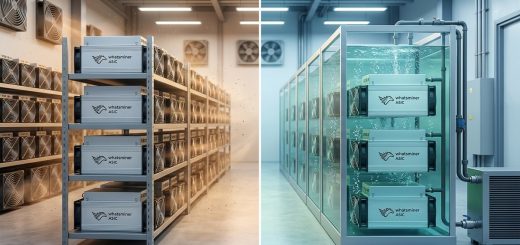
- Cooling solutions: Air cooling, liquid cooling, or immersion cooling each have different optimal ranges.
- Energy costs: Excessive cooling to achieve lower temperatures might not be cost-effective.
Practical process to maintain ideal temperature
- Monitor regularly: Use hardware monitoring tools to check temperature in real time.
- Adjust cooling: Increase airflow with fans or improve ventilation if temperatures rise.
- Optimize environment: Keep the room cool and dry, using air conditioning if necessary.
- Maintain hardware: Clean dust and debris to prevent heat buildup.
- Implement advanced cooling: For large farms, consider immersion cooling or liquid cooling for better control.
- Set alarms: Use alerts for temperature spikes to prevent hardware damage.
- Document and analyze: Track temperature trends and adjust cooling strategies accordingly.
Techniques for controlling mining farm temperature
Different environments and setups require tailored cooling approaches. Here are some effective techniques and their common pitfalls.
| Technique | Benefits | Common Mistakes |
|---|---|---|
| Air cooling with fans | Cost-effective, easy to implement | Insufficient airflow, stagnant air, and dust accumulation |
| Improved ventilation | Reduces hot spots, increases airflow | Poor room layout, blocked vents |
| Air conditioning | Maintains stable ambient temperature | Overcooling, high energy costs |
| Liquid cooling | Efficient heat transfer, quieter operation | Leaks, complex installation |
| Immersion cooling | Excellent for large farms, maximizes lifespan | High initial cost, maintenance complexity |
Expert tip: For most small to medium farms, combining good ventilation with air conditioning offers a practical and efficient solution. Larger setups benefit from immersion or liquid cooling to manage heat effectively.
Mistakes to avoid
- Running cooling systems at maximum capacity constantly, leading to high energy bills.
- Ignoring dust buildup that impairs heat dissipation.
- Overcooling, which wastes energy without improving hardware lifespan.
- Neglecting regular maintenance of cooling equipment.
- Not monitoring temperature trends and reacting too late.
Practical steps to optimize your cooling setup
- Assess your environment: Measure ambient temperature and humidity.
- Choose the right cooling method: For a small setup, fans and air conditioning may suffice. For larger farms, consider immersion cooling.
- Arrange hardware efficiently: Space miners to promote airflow and avoid hot spots.
- Maintain cleanliness: Dust and debris block airflow and increase heat.
- Use temperature sensors: Place sensors near hardware to get accurate readings.
- Automate controls: Set up automated fans or cooling systems to respond to temperature changes.
- Plan for scalability: Design your cooling infrastructure to handle future growth.
Common mistakes and how to avoid them
| Mistake | Correct Approach |
|---|---|
| Ignoring ambient room temperature | Keep room temperature below 75°F with air conditioning if needed. |
| Over-investing in cooling without monitoring | Use sensors and controls to optimize cooling efficiency. |
| Neglecting regular maintenance of cooling gear | Schedule routine cleaning and inspection of fans and filters. |
| Running hardware beyond recommended temps | Always stay within manufacturer guidelines for safe operation. |
| Failing to plan for power draw of cooling systems | Ensure your power setup can handle additional cooling loads. |
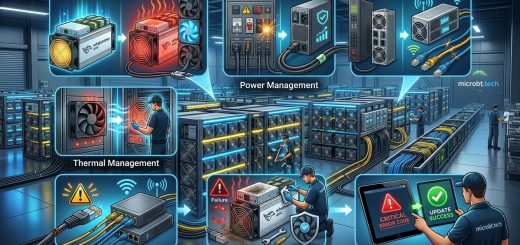
Expert insights on thermal management
“Maintaining a stable, moderate temperature is vital for mining hardware longevity and consistent performance. Proper airflow, regular maintenance, and smart cooling strategies can save you money and prevent costly downtime.” – seasoned miner
Final thoughts on keeping your mining farm cool
Managing your mining farm’s temperature isn’t just about preventing hardware failure. It’s about optimizing performance, reducing costs, and extending the lifespan of your investment. By understanding your equipment’s needs, monitoring environmental factors, and implementing suitable cooling solutions, you can keep your operation running smoothly. Remember, every farm is different, so tailor your approach accordingly.
Taking the time to fine-tune your cooling setup pays off in productivity and peace of mind. Regular checks, maintenance, and data analysis will help you stay ahead of potential issues. With a thoughtful approach, your mining hardware can operate at peak efficiency for years to come.