Top Firmware Tweaks to Enhance Whatsminer Performance and Longevity
Mining with Whatsminer hardware offers impressive returns, but squeezing every bit of performance while prolonging the life of your machines requires more than just plugging them in. Firmware tweaks are a powerful way to fine-tune your devices, maximize efficiency, and avoid premature failures. This guide walks you through practical firmware adjustments, common mistakes, and expert tips to help you get the most out of your Whatsminer units.
Optimizing Whatsminer firmware through targeted tweaks can significantly improve mining performance and extend device lifespan. Proper adjustments require understanding hardware limits, avoiding common pitfalls, and applying expert strategies for sustainable operation.
Why firmware tweaks matter for Whatsminer efficiency and longevity
Firmware acts as the brain of your mining hardware, managing everything from hashing operations to thermal regulation. Out-of-the-box firmware is designed for general use, but it often leaves room for performance improvements and potential hardware wear. Tweaking firmware settings allows you to fine-tune parameters like frequency, voltage, and power limits. This not only boosts hash rates but also reduces stress on components, lowering the risk of overheating and hardware degradation.
Applying firmware tweaks is especially relevant given the high energy consumption and heat output of Whatsminer units. Small adjustments can lead to big savings in power costs and hardware lifespan. For miners aiming for consistent profits over the long term, these optimizations are invaluable.
Practical firmware tweaks for Whatsminer units
Implementing firmware tweaks involves a mix of software configuration and, in some cases, custom firmware flashing. Here are the most effective actions you can take:
1. Adjust the frequency and voltage settings
Overclocking your Whatsminer can increase hash rate, but it risks overheating and hardware stress. To balance performance and lifespan:
- Reduce the core frequency slightly below the maximum rated value.
- Lower the voltage to decrease power consumption and thermal output.
- Use firmware that allows manual frequency and voltage adjustments, such as custom or developer modes.
2. Enable thermal auto-tuning and fan control
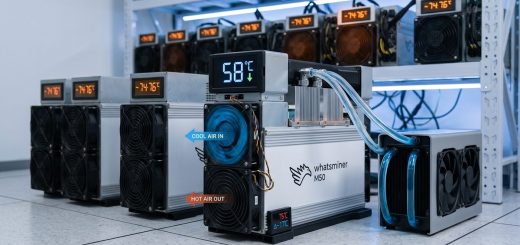
Temperature management is critical. Firmware that supports auto-tuning allows your miner to dynamically adjust fan speeds and clock speeds based on real-time thermal data.
- Activate auto fan speed control for optimal cooling.
- Enable auto frequency adjustments to prevent overheating during high temperatures.
- Regularly monitor temperature logs to fine-tune auto-tuning parameters.
3. Limit power consumption with custom power caps
Reducing power limits can extend hardware life without sacrificing too much hash rate:
- Set a maximum power threshold in firmware settings.
- Maintain a balance where hash rate stays profitable, but thermal stress is minimized.
- Use firmware that supports power capping features to automate this process.
4. Apply stable firmware versions and avoid unnecessary updates
While firmware updates often include security patches and bug fixes, they can sometimes introduce new issues or reduce performance. Stick to versions that:
- Are proven stable in your hardware model.
- Have documented improvements for your specific Whatsminer series.
- Are recommended by trusted mining communities.
5. Use custom firmware for advanced tuning
Custom firmware, like Vnish or other third-party options, allows deeper control over device parameters:
- Overclock safely with preset profiles.
- Adjust fan curves and thermal thresholds.
- Enable or disable features that improve stability.
Note: Always back up your current firmware before flashing custom versions to prevent bricking your hardware.
Common mistakes to avoid during firmware tweaking
Tweaking firmware can be beneficial but also risky if done improperly. Here are pitfalls to watch out for:
| Mistake | Explanation | Impact |
|---|---|---|
| Overclocking beyond safe limits | Pushing frequencies or voltages too high | Hardware failure, reduced lifespan |
| Ignoring thermal data | Disabling auto fan or auto-tuning | Overheating, shutdowns, damage |
| Updating firmware without research | Upgrading to untested versions | Firmware bugs, incompatibility |
| Not backing up firmware | Failing to save current settings | Difficult recovery if bricked |
| Neglecting regular monitoring | Setting parameters and forgetting | Unnoticed overheating or performance drops |
Expert tip: Keep a detailed log of your firmware changes and results. This helps identify which tweaks deliver the best balance of performance and longevity.
How to safely implement firmware tweaks on your Whatsminer
Applying these modifications involves careful steps:
- Backup your current firmware. Use manufacturer tools or community resources to save your current settings and firmware version.
- Research compatible custom firmware if you plan to go beyond stock options. Trusted sources include official forums and mining communities.
- Use reliable flashing tools to avoid bricking. Follow step-by-step guides specific to your Whatsminer model.
- Start with conservative adjustments. Increase frequency or power caps gradually, monitoring temperature and stability.
- Monitor your units 24/7 after changes. Use remote management tools for real-time insights.
- Adjust based on thermal feedback. If temperatures rise beyond safe thresholds, dial back your tweaks.
- Schedule regular firmware reviews. As new updates or community patches emerge, reassess your settings.
“The key to effective firmware tweaking is patience and incremental changes. Rushing overclocking or power settings can lead to costly hardware failures.” — Mining hardware expert
Additional techniques and pitfalls
- Use monitoring dashboards like HiveOS or MineOS to track temps, hash rates, and errors.
- Avoid full overclocking if your cooling solution isn’t robust enough.
- Consider liquid cooling if thermal management becomes a bottleneck.
- Remember that custom firmware may void warranties; weigh risks carefully.
Here’s a quick comparison table to clarify techniques and common mistakes:
| Technique | Mistake to Avoid | Tip |
|---|---|---|
| Overclocking | Pushing beyond safe voltage/temperature limits | Increase gradually, monitor temps |
| Power capping | Setting too low, reducing profitability unnecessarily | Find optimal balance between power and hash rate |
| Fan auto control | Disabling auto fan | Use auto control for thermal safety |
| Firmware updates | Installing unverified firmware | Stick to tested versions or trusted custom firmware |
Fine-tuning your Whatsminer for a sustainable mining future
Getting your Whatsminer units to perform at their best while remaining durable is a balancing act. Firmware tweaks, when applied thoughtfully, reduce energy costs, prevent overheating, and extend hardware lifespan. Regularly revisit your settings, stay connected with mining communities for updates, and document your adjustments.
Maintaining a steady, efficient operation not only improves profitability but also minimizes downtime and hardware replacements. With patience and careful management, you’ll turn your mining hardware into a reliable, long-lasting asset.
Keep your mining setup thriving with smart firmware management
Adjusting your Whatsminer firmware isn’t a one-time task. As environmental conditions, electricity prices, and hardware wear evolve, so should your configurations. Start with small tweaks, monitor results closely, and gradually push your devices toward optimal performance.
By staying proactive and informed, you’ll maximize your mining rewards while protecting your investment. Remember, the most successful miners are those who treat their hardware as a long-term partner rather than a disposable tool. Keep tweaking, keep learning, and your mining operation will stay ahead in this competitive industry.