The 2026 Mining Profitability Playbook: 10 Proven Tactics to Boost Your ROI by 40%
Every miner I talk to asks the same question: can you still make real money mining Bitcoin in 2026? The answer is a firm yes, but the playbook has changed. The days of plugging in any ASIC and watching the BTC roll in are behind us. Today’s profitable miner thinks like an operator, not a gambler. They optimize every variable, from the J/TH of their fleet to the temperature of their exhaust air. This guide lays out ten proven tactics that can push your operation toward a 40% ROI improvement. No fluff, no theory. Just moves you can make this quarter.
Bitcoin mining profitability in 2026 depends on hardware efficiency, power cost, and operational discipline. The ten tactics in this playbook cover ASIC selection, firmware tuning, cooling upgrades, pool strategy, and financial modeling. Apply them together, and a 40% boost to your bottom line is realistic within six months. Start with the two or three tactics that address your biggest weakness, then layer in the rest over time.
1. Upgrade to Next-Generation ASIC Hardware Before the Next Difficulty Jump
The fastest path to higher profits is swapping out older generation miners. Units like the MicroBT Whatsminer M60 series deliver efficiency below 20 J/TH. Compare that to the M30 series which sits around 34 J/TH or higher. The gap is massive. Running an M60 instead of an older model can cut your power bill nearly in half for the same hashrate.
If you are unsure which model fits your budget and power constraints, check out which Whatsminer model delivers the best hashrate per watt in 2026. That comparison breaks down every current series so you can match hardware to your specific electricity rate.
2. Drop Your All-In Power Cost to Under Four Cents
Electricity is the single biggest expense for any mining operation. In 2026, miners who pay over $0.06/kWh are fighting an uphill battle. The smartest operators negotiate fixed-rate contracts with utilities, co-locate at hydro plants in the Pacific Northwest, or partner with oil and gas flare sites in Texas and North Dakota.
For a practical walkthrough of reducing your kWh rate, read 7 electricity cost optimization strategies that mining farms don’t want you to know. Some of these tactics can save you two or three cents per kWh, which adds up to thousands per month on a medium-sized fleet.
3. Tune Your Firmware for Efficiency, Not Maximum Hashrate
Stock firmware from the manufacturer is usually tuned for stability, not optimal profitability. Custom firmware like Vnish or Braiins OS lets you underclock your ASICs to a sweet spot where you lose minimal hashrate but save disproportionate amounts of power. This is especially effective when Bitcoin price is flat or dropping.
Consider this comparison of stock vs custom firmware profitability calculator for Whatsminer models. The numbers often show a 10-15% improvement in net profit simply by dialing back voltage and frequency.
4. Implement Immersion or Advanced Air Cooling
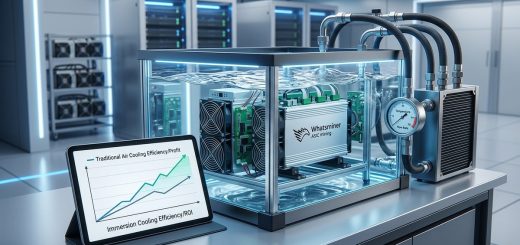
Heat is the enemy of ASIC longevity and efficiency. When your miner runs hot, resistance increases and power draw creeps up. Immersion cooling drops operating temperatures by 20 to 30 degrees Celsius, which can extend component life and improve efficiency by several percentage points.
For a deeper look at whether the upfront investment pays off, see immersion cooling vs air cooling: which system delivers better ROI for large mining farms. The answer depends on your climate and scale, but the data is clear that immersion wins above around 500 TH/s of deployed gear.
5. Join a Mining Pool That Rewards Efficiency and Offers Low Fees
Pool choice matters more than most miners realize. Some pools charge 2.5% or more, while competitive pools now operate below 1%. Others offer FPPS (Full Pay Per Share) which smooths out your income and protects you from variance. In 2026, the top pools also provide real-time monitoring dashboards and automatic failover.
A common mistake is staying with the first pool you joined. Review your pool’s fee structure and payout threshold every quarter. Even a 1% fee difference can represent hundreds of dollars monthly as your operation scales.
6. Build Redundant Power and Network Infrastructure
Downtime is profit lost forever. A single day of downtime on a 100 TH/s farm can cost you hundreds of dollars. The most profitable miners in 2026 run their facilities with A/B power feeds, backup generators, and dual internet connections from different providers.
Take a look at building the perfect power infrastructure for multi-ASIC deployments for a step-by-step guide on sizing breakers, PDU selection, and transfer switch setup. This is not glamorous work, but it is the difference between 97% uptime and 99.5% uptime.
| Tactic | Effort Level | Potential ROI Boost | Time to Impact |
|---|---|---|---|
| Hardware upgrade | High | 20-30% | 1-3 months |
| Power cost reduction | Medium | 15-25% | 3-6 months |
| Firmware tuning | Low | 10-15% | 1 week |
| Cooling upgrade | Medium | 5-10% | 1-2 months |
| Pool optimization | Low | 2-5% | 1 day |
| Infrastructure redundancy | Medium | 3-8% | Ongoing |
| Financial hedging | High | Variable | 6-12 months |
| Maintenance schedule | Low | 5-10% | 1 month |
| Tax strategy | Medium | 10-20% | Annually |
| Scale timing | High | 15-30% | 6-18 months |
7. Use a Proper Break-Even Model, Not a Basic Calculator
Most online mining calculators are dangerously simplistic. They assume constant difficulty, fixed Bitcoin price, and zero maintenance costs. Experienced operators build models that account for difficulty adjustments every 2016 blocks, projected hashprice declines, component failure rates, and opportunity cost of capital.
If you want a robust framework, how to calculate your true mining profitability beyond the basic numbers walks through a spreadsheet approach that the pros use. It takes an hour to set up but saves you from making bad purchase decisions.
8. Schedule Preventive Maintenance Like a Pro
ASIC miners are industrial machines. They need regular cleaning, thermal paste replacement, and fan monitoring. A miner running with clogged dust filters or degraded thermal compound can lose 5-10% efficiency without triggering any error codes. You just see higher power draw for the same hashrate.
Create a monthly maintenance calendar. Rotate through your fleet doing one rack per week. Replace fans at the first sign of bearing noise. Keep a log of each unit’s power consumption so you spot drift early. Extending Whatsminer lifespan: maintenance schedules and component upgrades that actually work offers a concrete checklist you can implement this weekend.
9. Hedge Your Bitcoin Exposure Strategically
Mined Bitcoin is not the same as realized profit. Smart miners sell a portion of their projected production forward using futures or options. This locks in a known margin and protects against price drops. In 2026, several platforms allow you to hedge as little as 1 BTC per month.
The goal is not to speculate. The goal is to turn your mining operation into a predictable cash flow business. If you can lock in a $60,000 effective selling price for the next six months while your all-in cost per BTC is $40,000, you have guaranteed your margin. That is real risk management.
“The miners who survive the longest are the ones who treat their operation like a manufacturing business, not a crypto play. Know your cost per coin. Hedge when the market gives you a chance. Never fall in love with the asset you produce.” — Experienced farm operator based in Wyoming
10. Time Your Hardware Purchases Around Halving Cycles and Difficulty Retargets
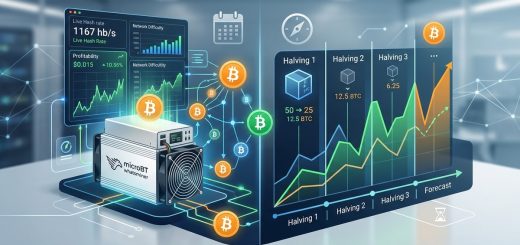
Bitcoin halvings happen approximately every four years, and the last one occurred in early 2024. The period 18 to 30 months after a halving is often when older generation hardware becomes unprofitable and floods the used market. That is when you can pick up solid mid-generation ASICs for pennies on the dollar.
But be careful. Buying used gear requires thorough inspection. Buying used Whatsminer hardware: the complete inspection checklist before you pay will prevent you from inheriting someone else’s maintenance nightmare. A clean used M50 series unit at the right price can outperform a new budget miner if you inspect it properly.
Putting the Playbook Into Action
You do not need to implement all ten tactics at once. Pick the two or three that address your biggest bottleneck right now. If you pay $0.08/kWh, start with tactic two. If you are running M30 series gear, start with tactic one. If your uptime is below 95%, start with tactic six.
Build momentum with the low-effort wins like firmware tuning and pool optimization. Those can be done this week with zero capital outlay. Then tackle the bigger projects as cash flow allows.
Bitcoin mining profitability in 2026 is absolutely achievable. It just requires a more disciplined approach than the bull market days of 2021. Treat your operation like a business, use data to drive decisions, and keep your cost structure lean. The 40% boost is not a marketing promise. It is the result of compounding small improvements across every part of your operation. Start today with one change. Track the results. Then make the next one.